
Seal Coat Maintenance Schedule — Biennial Cycle for Utah Commercial Properties
A written seal coat maintenance schedule is the foundation of a commercial pavement management program. Here is the cycle that keeps Utah lots in service for 20+ years.
Year 0 to 2: New Pavement — No Seal Coat
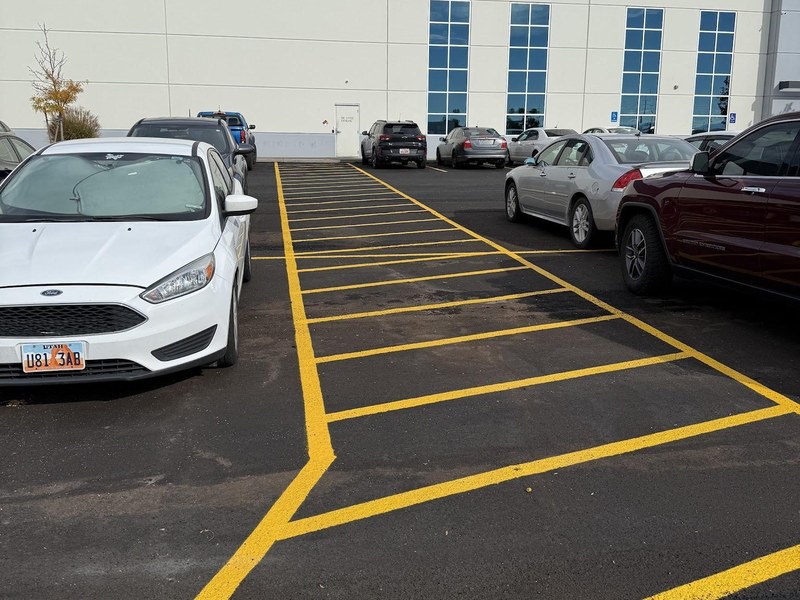
New asphalt pavement should not receive seal coat for at least 12 months and preferably 18 to 24 months after installation. Fresh asphalt contains volatile oils that must off-gas before a sealer is applied. Premature sealing traps these oils, preventing proper curing of the binder and reducing long-term pavement strength. During this period: allow normal cure, monitor for construction defects, and seal any shrinkage cracks that open at joints. Flag the property's first seal coat date in your maintenance calendar as 18 months after paving completion.
Year 2 to 3: First Seal Coat Application
The initial application penetrates deeply into the oxidized surface layer because the pavement has begun to oxidize but is still porous. This first coat is the most effective application in the entire pavement life cycle. At this stage the lot surface is transitioning from black to gray—the visual indicator that binder oxidation has begun. The first coat restores the binder-saturated appearance and slows UV degradation going forward. Apply crack seal to any cracks that have opened; allow 48 hours cure; then apply 2-coat emulsion seal coat. Re-stripe per current ADA and fire code after seal coat cure.
Ongoing: Biennial Cycle (Every 2 Years)
After the initial application, the standard commercial maintenance schedule is: Year 2—crack inspect, seal new cracks, seal coat, re-stripe. Year 4—crack inspect, seal new cracks, seal coat, re-stripe. Year 6—crack inspect, seal new cracks, seal coat, re-stripe. And so on through Year 14 to 16. On seal coat years, the sequence is always: patch any structural damage first (allow 30-day cure on fresh patches), crack seal 48 hours prior, then seal coat, then re-stripe. The biennial cycle ensures seal coat is applied before the previous coat has fully worn through in high-traffic areas—a lot that is still 70 percent coated in Year 2 gets maximum protection from the new application because the existing coating provides a good bond substrate.
Year 16 to 20: Transition Assessment
At Year 16 to 18 from original installation (or from the last mill-and-overlay), request a comprehensive pavement condition assessment. Seal coat effectiveness diminishes when the surface course has oxidized to the point where the emulsion cannot penetrate the top binder layer—the sealer becomes a film-only application rather than a penetrating treatment. Signs that seal coat has reached its effective limit: fine map cracking visible through fresh seal coat, widespread raveling of the top aggregate, or the lot surface showing a mottled gray appearance within 6 months of sealing. At this point, mill-and-overlay is the appropriate next step—after which the 2-year biennial seal coat cycle resets.
Recent Seal Coat Maintenance Projects

Common Questions
- Can I seal coat more often than every 2 years to get more protection?
- Annual sealing on drive aisles and high-traffic areas is appropriate and cost-effective. On parking fields with lower traffic, annual sealing adds little protection relative to biennial sealing and risks over-building film thickness. After 8 to 10 seal coat applications over 16 to 20 years, the accumulated film can begin to crack as a unit—at this point mill-and-overlay is better than continued surface sealing.
- What if I skip one cycle?
- Skipping one cycle extends the surface from Year 2 to Year 4 of oxidation before re-treatment. This is recoverable—the lot will have more oxidation to penetrate, but the 2-coat application will still provide meaningful protection. Skipping two cycles (4 years without sealing) causes significant binder loss from the surface course, and seal coat at Year 5 to 6 provides less penetration benefit because the oxidized surface is less receptive. Do not skip more than one cycle.
- How do I track multiple lots on a maintenance schedule?
- We maintain a maintenance history for each client property and proactively contact you each spring with the properties scheduled for seal coat in the coming season. We can provide a printed or digital maintenance calendar showing each property's scheduled service year for the next 4-year cycle.
Ready to Get Started?
Get a free, itemized estimate for your commercial seal coat maintenance project. We typically schedule site visits within 48 hours and deliver written quotes the next business day.
Get In Touch
Ready for a quote or have a question? We’re Utah-based, Utah-run, and we’ll come out to your property for a free on-site estimate.
Get A Free Quote