
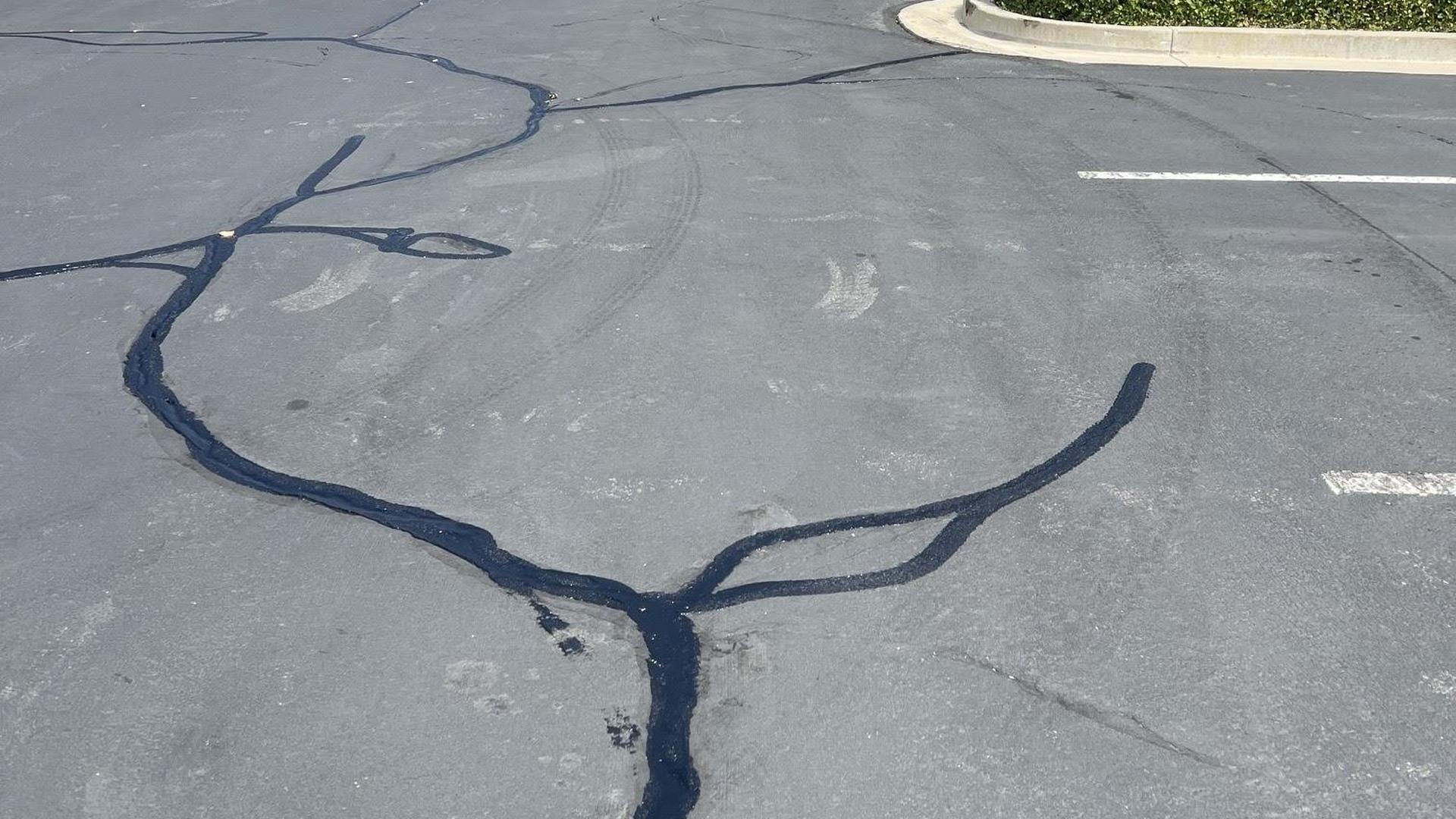
Crack Seal Specifications — Materials, Equipment, and Application Standards
Material and application specifications that define a quality crack seal job versus a call-back-generating patch.
Sealant Specification
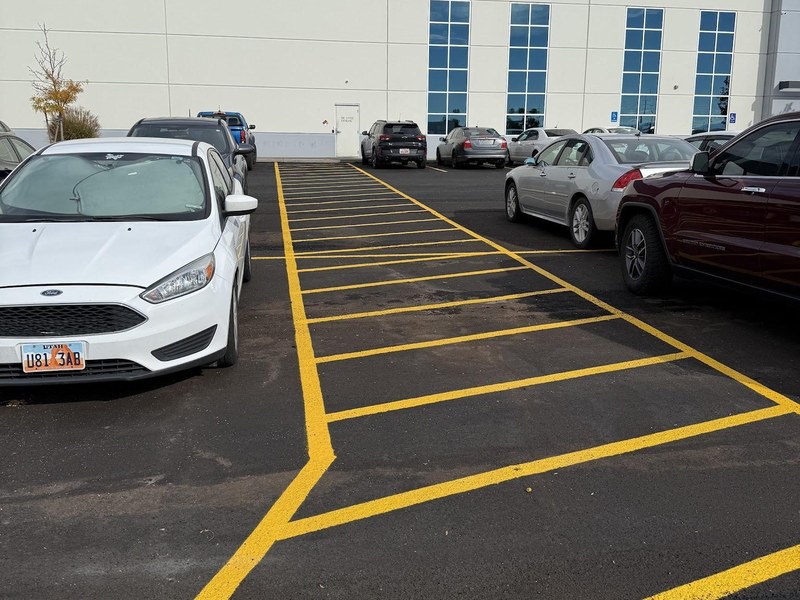
We use ASTM D6690 Type IV hot-pour rubberized asphalt crack sealant. Type IV formulation provides low-temperature flexibility to -20°F and high-temperature stability to 140°F surface temperature. Application temperature: 375 to 400°F. Minimum adhesion bond: 20 psi to clean, dry asphalt substrate per ASTM D412 test method. We do not use Type I or Type II sealant on commercial parking lots—these lower-grade materials lack the elastomeric properties required for Utah's temperature range.
Routing Specifications
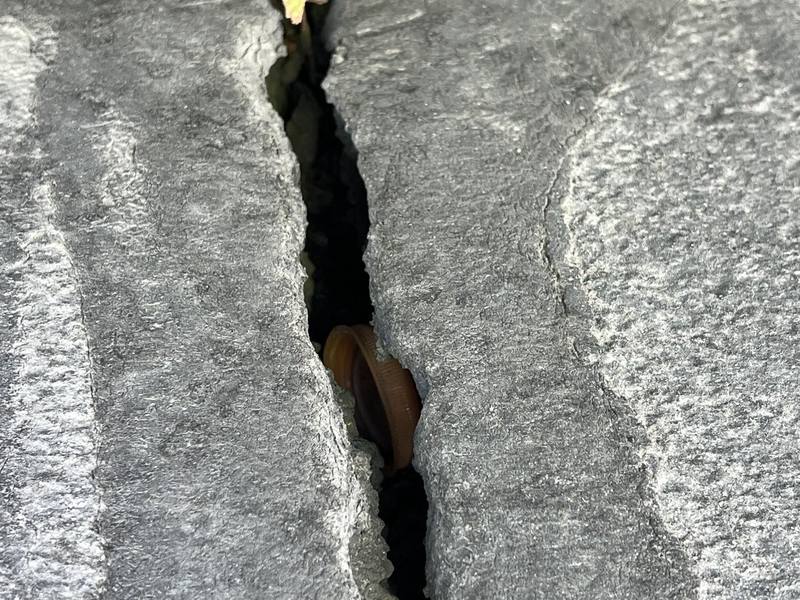
Router bit: 3/4-inch width, 3/4-inch depth. Depth-to-width ratio of 1:1 is the NCHRP-recommended geometry for maximum sealant retention. Router bit speed maintained to prevent thermal damage to crack walls. All routing debris is removed by compressed air (100 PSI minimum) and wire brushing. Routed channels are inspected for cleanliness before sealant application—any dust, debris, or moisture contamination voids adhesion.
Application Equipment
Direct-fire or jacketed melter with agitator maintains sealant at application temperature uniformly. Pour pot or pressure applicator delivers consistent bead width. Sealant is applied slightly over-full (banding) to allow for penetration into the crack channel. Excess is squeegeed flush or slightly below grade to prevent curling and pickup under vehicle tires. Sand broadcast (Grade 3 silica) is immediately applied to prevent tire pickup during the 20 to 30-minute tack-free window.
Quality Control
Each day's work is documented with application temperature log, linear feet of routed vs. clean-and-filled crack, and weather conditions. We retain sealant batch numbers for warranty traceability. Final inspection checks for missed cracks (inspection is done on foot at walking pace), sealant overfill that will curl, and any areas where moisture contamination may have compromised adhesion.
Recent Crack Seal Projects
Common Questions
- What is the difference between ASTM D6690 Type II and Type IV?
- Type II is a straight rubberized asphalt with lower elasticity—it handles moderate temperature ranges but becomes brittle at Utah's winter lows. Type IV is polymer-modified with higher elastomeric content, maintaining flexibility at -20°F and resisting softening at surface temperatures over 130°F. We use Type IV exclusively on commercial properties.
- Is routing always necessary?
- Routing is required for cracks over 1/2 inch wide and all structural or fatigue cracks. It is strongly recommended for all cracks over 1/4 inch on properties on a multi-year maintenance cycle. Clean-and-fill is acceptable for hairline cracks and fine map cracking where routing would be cost-prohibitive.
- How do I know if the crack was properly sealed?
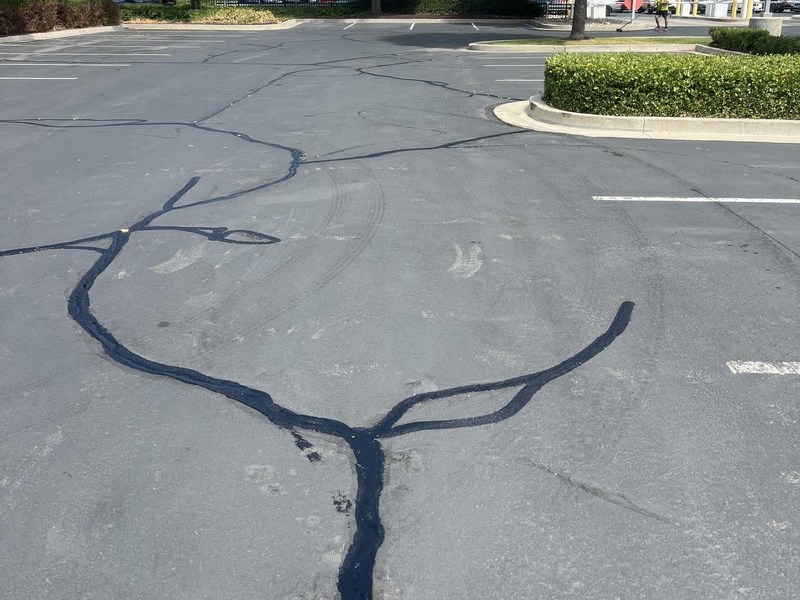
- A properly sealed crack shows a uniform bead of sealant flush to slightly below the pavement surface with no gaps, skip areas, or visible crack channel. There should be no raised bead that could curl and be picked up by tires. We provide photo documentation of completed work from ground level showing sealant application quality.
Ready to Get Started?
Get a free, itemized estimate for your commercial crack seal project. We typically schedule site visits within 48 hours and deliver written quotes the next business day.
Get In Touch
Ready for a quote or have a question? We’re Utah-based, Utah-run, and we’ll come out to your property for a free on-site estimate.
Get A Free Quote